
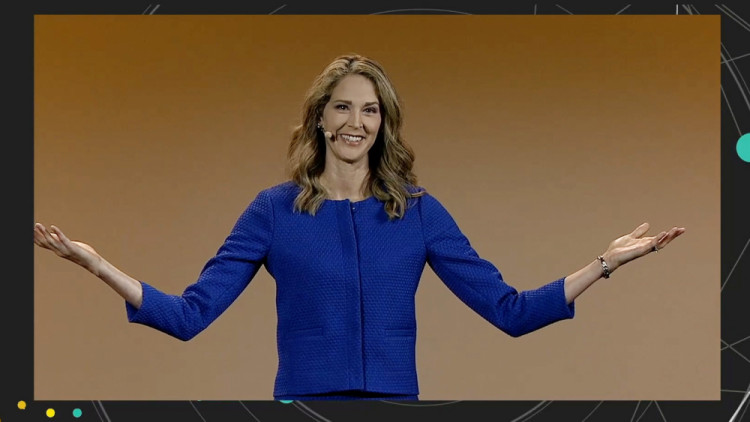
How to Emcee an Event: A Professional Event Host's Guide to Creating Impact
“How do you emcee an event?”
It’s one of the most common questions I hear — especially from companies planning a corporate event, conference, or awards show.
And most people assume emceeing is simple: introduce speakers, read a script, keep things on time.
But a professional event emcee does much more than that.
A great corporate event MC doesn’t just run the agenda — they shape the experience, connect key messages, and keep audiences engaged from start to finish.
What Does a Professional Event Emcee Actually Do?
An experienced emcee is responsible for far more than announcements and introductions.
They:
- Act as the throughline of the event
- Reinforce key messaging across sessions
- Maintain energy and momentum
- Navigate timing shifts and unexpected changes
- Create meaningful audience engagement
In corporate environments especially, this role is critical.
Because without a strong emcee, even the best content can feel disconnected.
1. Design Audience Engagement
Authenticity is essential, but meaningful engagement doesn’t happen just because someone is warm or charismatic.
It’s created by paying attention in real time.
An experienced emcee is constantly listening — not just waiting for their next line, but actively tracking themes, insights, and moments that resonate. From there, they reinforce what matters, helping the audience process and connect the dots.
This is where events shift from a series of segments into a shared experience.
Yes, there are visible techniques — questions, humor, interactive moments — but the real work is beneath the surface:
Understanding what the audience needs in that moment, and guiding them there.
2. Bring Energy That Moves the Room
Energy is often described as a requirement for emceeing, but it’s rarely defined well.
It’s not about being “on” all the time. It’s about moving the room.
At corporate events, audiences are taking in a lot — information, ideas, expectations. Their energy shifts throughout the day, and an effective emcee responds accordingly.
Sometimes the room needs a lift. Sometimes it needs grounding. Sometimes it needs clarity after something dense or complex.
A seasoned emcee reads those shifts instinctively and adjusts in real time, maintaining momentum without forcing it.
And when things don’t go according to plan — which they often don’t — that same presence keeps everything feeling smooth, even when it isn’t.
3. Be the Throughline of the Event
A professional emcee is the glue that holds everything together.
While speakers focus on their presentations and planners manage logistics, the emcee focuses on the audience experience from beginning to end.
That means keeping track of what’s been said, what needs to be reinforced, and how each transition can move the audience forward instead of resetting their attention.
It also means being in constant communication behind the scenes — adjusting timing, aligning with AV and production, and making real-time decisions that keep the event on track.
From the audience’s perspective, it feels seamless.
Behind the scenes, it’s highly active, highly focused work.
4. Shape the Content - Don't Just Read It
One of the biggest misconceptions about emceeing is that it’s purely about delivery.
In reality, strong emcees often play a role in how the content comes together.
That can mean refining transitions, aligning messaging across speakers, or reframing ideas so they land more clearly with the audience.
Because content doesn’t exist in isolation. It lands — or doesn’t — based on how it’s introduced, connected, and reinforced.
This is the difference between simply announcing what’s next and helping the audience understand why it matters.
5. Technology Matters More Than Ever
Today’s events — especially corporate, virtual, and hybrid — require more than stage presence.
They require technical awareness and production fluency.
A professional event emcee understands how to work within a production environment, including confidence monitors, timing cues, script flow, and coordination with AV teams. They know how to stay connected to both the audience and the control room at the same time.
In virtual and hybrid settings, that expands even further.
Now the emcee is not only speaking to a room, but also directly to camera — often without immediate audience feedback. Maintaining energy, connection, and clarity in that environment is a distinct skill.
Technology isn’t separate from the role anymore. It’s part of how the experience is delivered.
Why Hiring a Professional Emcee Matters
Not every event needs a professional emcee — but many benefit significantly.
Organizations sometimes consider having someone internally host their event — someone who is smart, personable, and comfortable speaking.
But emceeing requires a different kind of skill set.
It’s the ability to think while speaking, to manage timing and tone simultaneously, and to navigate unexpected moments with ease. It’s knowing how to read a room, adjust in real time, and maintain a consistent experience from start to finish.
A professional emcee brings that level of focus and experience — and allows everyone else to stay focused on their role.
Why Not Just Use Someone Internal?
This is a question that comes up often.
On the surface, it makes sense. There’s usually someone inside the organization who is articulate, well-liked, and comfortable speaking in front of a group.
And sometimes, that can work.
But emceeing is a very specific skill — one that goes beyond being a strong presenter.
It requires the ability to think while speaking, to manage timing, tone, and transitions simultaneously, and to stay fully present while tracking everything happening around you. It’s about reading the room, adjusting in real time, and maintaining consistency across an entire event — not just delivering a single message.
There’s also a different kind of pressure that comes with being responsible for the full experience. When something shifts — and it always does — the emcee is the one holding the room steady.
A professional event emcee brings that focus, along with the ability to stay objective, support the broader message, and ensure the event flows seamlessly from start to finish.
It also allows your internal team to do what they do best — connect with attendees, focus on content, and be fully present in the experience themselves.
Final Thought
At its best, emceeing isn’t about being the center of attention.
It’s about creating an experience where everything connects.
When done well, audiences stay engaged, messages land more deeply, and the entire event feels intentional.
That’s the difference between an event people attend — and one they remember.
If you're planning an upcoming event and want that level of connection, flow, and impact, learn more about working with a professional event emcee.
? Explore my Live Event Emcee services here.